
Europe's aim of eradicating poverty by 2050 requires more than political commitments. It needs stronger social services, sustained investment, and recognition of the initiatives already transforming people's lives.
Across the European Union, more than 93 million people are at risk of poverty or social exclusion. Behind this figure there are individuals and families facing barriers to housing, employment, education, care and participation in their communities.
The EU's first Anti-Poverty Strategy offers an important opportunity to address these interconnected challenges. However, to succeed it must recognise that poverty is not simply a lack of income. It is also the result of unequal access to opportunities, support and the conditions necessary to live independently and participate fully in society. Social services are essential to achieving the strategy's aims.
Social services: investing in social inclusion
Every day, social services support children and families, older people, persons with disabilities, people experiencing homelessness and individuals facing multiple disadvantages. Through prevention, early intervention, community-based support and coordination with housing, employment and healthcare, social services help to address the causes and consequences of poverty.
However, access to these services varies significantly across Europe, as demonstrated by the European Social Network (ESN)'s European Social Services Index (ESSI). The ESSI provides a systematic European overview of social services legislation, financing, coverage and policies. It has grown from 10 countries in 2023 to 19 countries in 2026, providing increasingly valuable evidence for European policymaking.
Its findings reveal striking differences in how social services are regulated, financed and delivered.
In the 2025 analysis, public expenditure on in-kind social protection benefits, excluding healthcare, ranged from EUR 82 to EUR 3.508 – nearly 43 times as much – per person annually. Nine of the 16 countries spent less than EUR 500 per person. Although these figures are not a direct measure of social services expenditure, they illustrate substantial differences in the resources devoted to social support.
Workforce figures also reveal important disparities, with the number of social workers per 100 000 inhabitants ranging from 25 to 275 in the countries reporting these figures, although national definitions and data collection methods differ.
Child protection data reveals equally significant differences. Across the countries analysed, the proportion of children in family-based alternative care ranged from 35.5% to 94.1%, with between 5.9% and 61.9% in residential care placements. These variations underline the importance of strengthening family-based care, prevention and community support, alongside more consistent monitoring of children's experiences and outcomes.
Access to long-term care presents further challenges. Only eight of the 16 countries provided information on waiting times for services for older people, while available evidence points to significant delays.
These findings demonstrate why better evidence is indispensable. Europe cannot effectively promote social inclusion without understanding whether essential services are sufficiently funded, staffed and accessible.
Making social services visible in European policymaking
The ESSI brings together evidence from national and local social services authorities and professionals, highlighting differences between countries and identifying gaps that might otherwise remain invisible.
Its importance has also been acknowledged by the European Parliament in 2025 and 2026, reinforcing the need for better evidence on social services expenditure and coverage.
EU institutions should build on the ESSI, support its further development and use its findings more systematically in the European Semester, in implementing the Anti-Poverty Strategy and in decisions on social investment.
Stepping up European monitoring of social services is not simply a statistical exercise. It is about ensuring that policy commitments translate into accessible, high-quality support for people.
Recognising social inclusion in practice
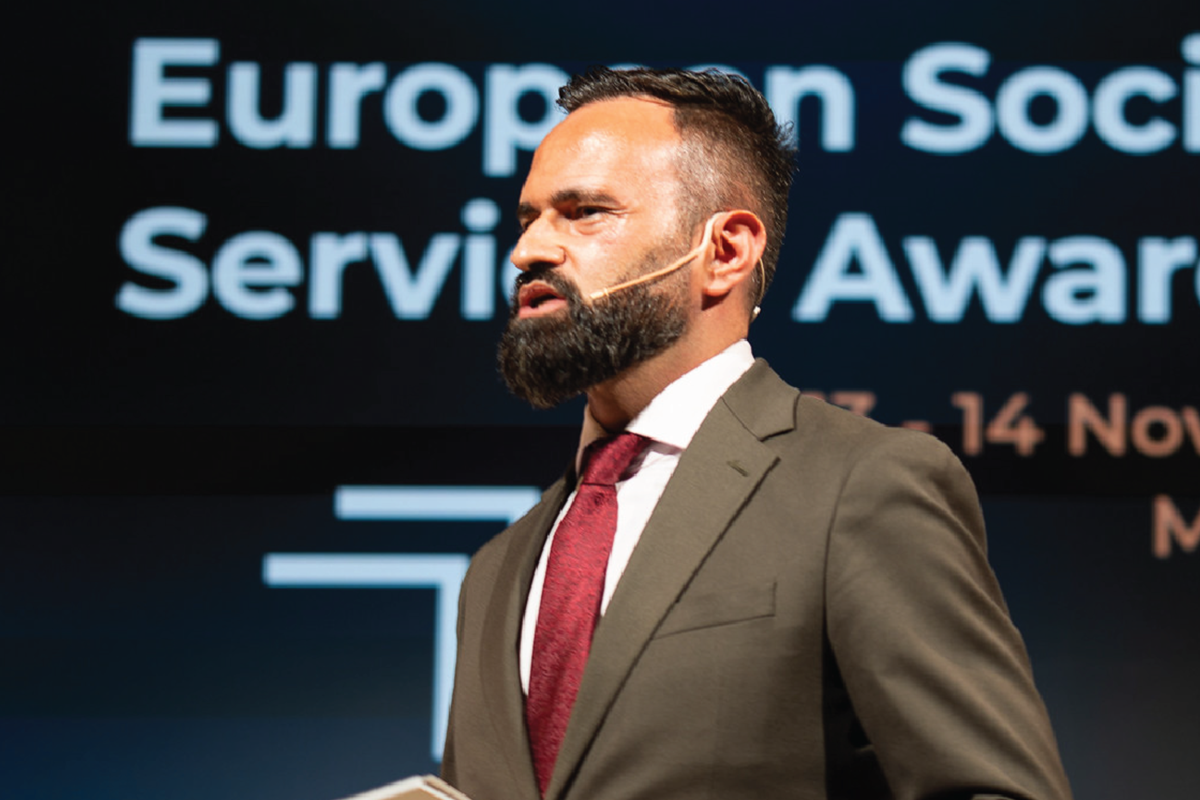
Alongside better evidence, Europe must recognise and support initiatives already delivering meaningful change. Through the European Social Services Awards (ESSA), the ESN has established a European platform to celebrate excellence and innovation in social services. The Headline Jury Award for Social Inclusion recognises initiatives demonstrating an exceptional contribution to social inclusion through improved access to services, participation and meaningful improvements in people's lives. Many of these initiatives come from regional and local authorities across Europe.
The 2026 awards, under the theme Social Services: Breaking Down Silos, Building Systemic Change, highlight how collaboration across social services, housing, employment, health and education can transform support and create more inclusive communities.
Greater institutional recognition, visibility and opportunities to share and scale up successful initiatives would help translate local innovation into broader European impact. At a time when the EU is placing renewed emphasis on fighting poverty and exclusion, European institutions should actively support and empower programmes such as these awards, which already connect evidence, professional expertise and practical solutions.
From aims to action
Europe's EU Anti-Poverty Strategy provides a renewed opportunity to make social inclusion a central European priority. However, meaningful progress requires sustained investment in social services, stronger coordination across policy areas and better evidence to guide decisions.
The European Social Services Index shows where action is needed. The European Social Services Awards highlight what is already possible.
Together, they show that social inclusion is not merely a policy objective. It must be built through accessible services, empowered communities and opportunities for everyone to participate.
If Europe is serious about eradicating poverty, it must invest in, recognise, and empower the social services and initiatives that make social inclusion possible.
This month's ESN Editorial was first published in the October 2026 European Economic and Social Committee EESC Info newsletter.