Equality and non-discrimination are core principles of international human rights law. However, recognising that all human beings have equal worth and are entitled to fair treatment without distinction does not mean that everyone should receive the same treatment, particularly in health and social care. On the contrary, upholding these principles requires accounting for territorial disparities and prioritising the needs of those at greater risk.
Children are inherently more vulnerable, especially in their first years of life. When this vulnerability is compounded by fragmented governance or family challenges such as poverty, mental health conditions, or addictions, the likelihood of positive outcomes can decrease dramatically. This is why effective child social welfare requires intentional prevention and early intervention measures that strengthen families’ resilience.
The risks of unequal starting points
While all children are equal, they do not all have equal starting conditions. In Bosnia and Herzegovina, for instance, UNICEF reports that 13.3% of households live below the national poverty line, with even higher rates among families with three or more children (14%) and households in rural areas (14.3%). This picture is distinctly concerning given that according to UNICEF economic hardship is the second most common reason for children being placed in alternative care (33%), after parental neglect or abandonment (39%).
This is at odds with the United Nations’ Guidelines for the Alternative Care of Children, which state that “financial and material poverty should never be the only justification for the removal of a child from parental care [...] but should be seen as a signal for the need to provide appropriate support to the family”.
Adapting support to the needs of the community
When universal services are not sufficient to ensure a child’s safety and wellbeing, governments have a duty to provide targeted assistance to families showing early signs of risk. Support in the family home can be particularly effective for families facing multiple and complex challenges. This, however, is not yet common practice. In 2024, nearly 24% of respondents to a European Social Network (ESN) questionnaire indicated that mobile social workers were either unavailable or poorly available in their area.
Even more effective is the combination of home visits, continuity, and a multi-professional team, as demonstrated by the evaluation of Rinkeby’s extended home visiting programme. Rinkeby, a district in north-west Stockholm, Sweden, ranked nationally among the areas with the poorest socio-economic and health indicators. Because of this, in 2013 it was selected to receive an extended version of the Swedish home visiting programme for all parents.
Delivered jointly by child health and social services – a new way of working in the Swedish context – the programme targets first-time parents and offers six structured home visits during the child’s first 16 months of life. The visits are focused on the child’s health and development, strengthening parenting skills, and building trust in public services.
Placing trust and partnership at the heart of prevention
Early childhood is a critical period. Early multi-agency intervention with families that might otherwise fall through the cracks, either because of lack of trust, language barriers, limited knowledge of available services, or structural weaknesses, can have long-term positive effects on health, education, and social outcomes.
Programmes such as Rinkeby’s can be adapted and transferred to different contexts and help build more resilient societies, starting with fundamental areas such as immunisation coverage. One key outcome of the programme was increased MMR vaccination coverage, which is particularly relevant for Bosnia and Herzegovina, where declining vaccination rates have led to serious outbreaks, including the 2024 measles epidemic.
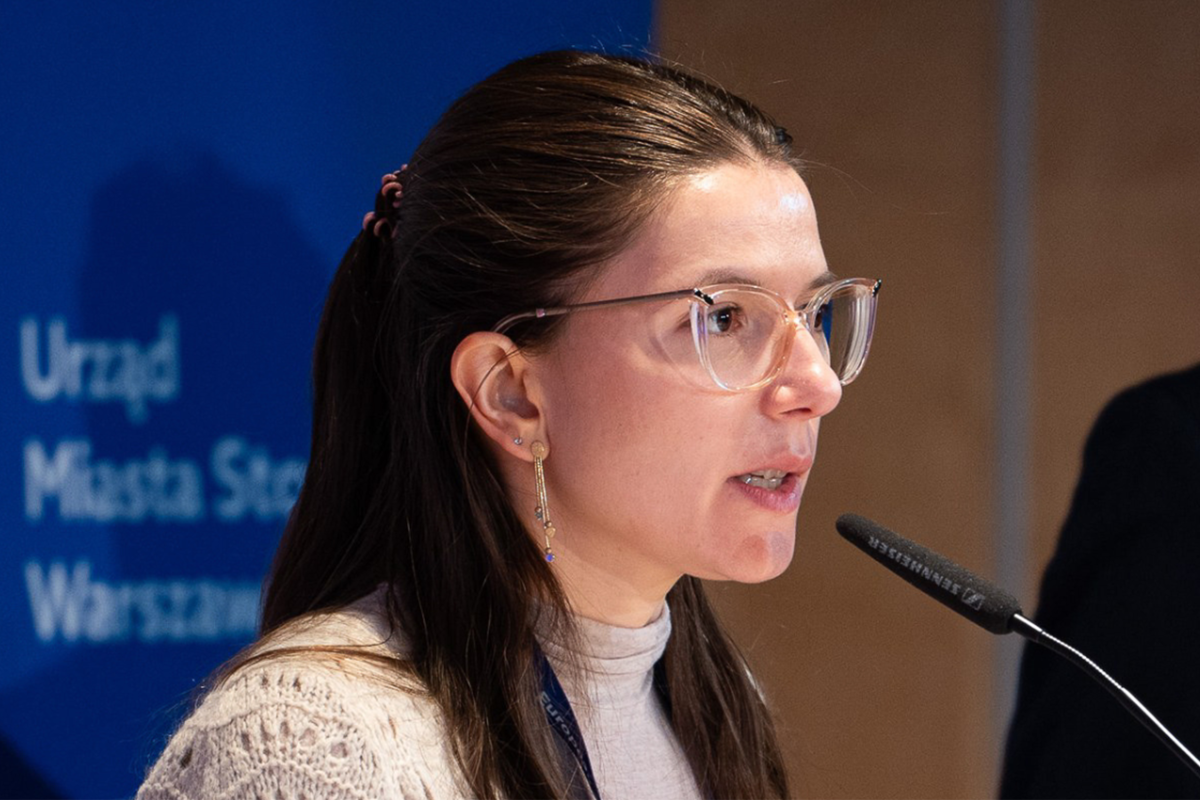
Speaking at the Third International Conference on the Social Protection System, organised by the Cantonal Public Institution ‘Family Counselling Centre Sarajevo’ in September, Alfonso Lara Montero, CEO of ESN, stressed that “social services working with children and families are at the forefront of breaking cycles of deprivation and creating opportunities for future generations. Faced with increasing and more complex needs, their challenge is balancing between primary, secondary, and tertiary interventions so that every child and family receives the right support, at the right time, for the best possible outcome”.